
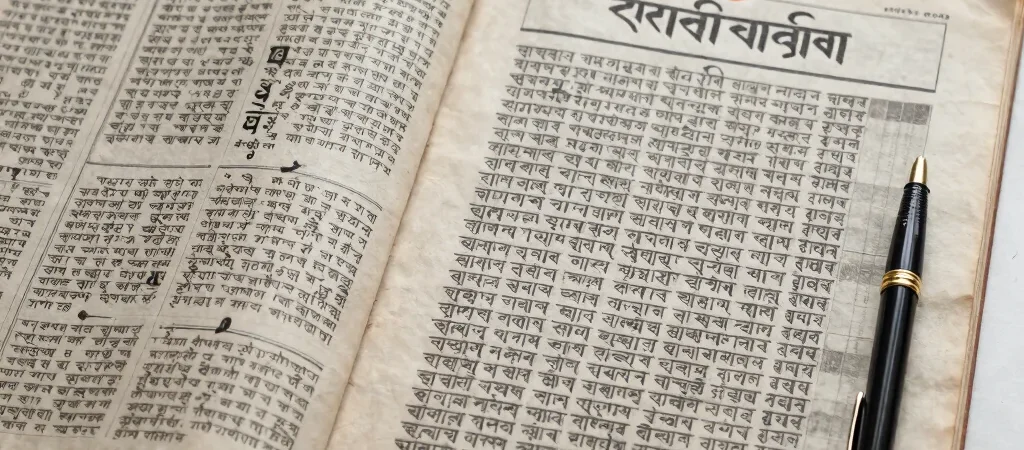
A reform idea changes shape when it leaves a private conversation and enters a newspaper, a petition, or a public meeting. Raja Rammohun Roy understood those routes as part of the work itself. His story is easier to follow when we read him alongside the organizations and arguments that outlasted any one campaign.
An association takes form
In Calcutta in 1828, Roy helped establish the Brahmo Sabha, an association organized around worship of one God and discussion of religious ideas. Its 1830 trust deed is a useful document for seeing how the group described its purpose and practices. The Brahmo movement developed in different directions over time, so the Sabha should be treated as a beginning, not as a complete account of later Brahmo history.
Arguments in public
Roy used print and petitioning to bring social and religious questions into public debate. He opposed sati, and his campaigning formed part of the wider pressure surrounding its prohibition under the Bengal regulation of 1829; it would be misleading to credit one person alone for that change. His newspaper work, including Sambad Kaumudi, also shows why reform history belongs partly to the history of publishing and access to public discussion.
Read beyond the biography
A good starting source trail pairs the 1830 Brahmo Sabha trust deed with Roy’s writings and contemporary newspaper material, including Sambad Kaumudi. The Banglapedia entry on Raja Rammohan Roy offers a biographical overview to check against those primary sources. As you read, keep the distinctions visible: Roy’s own arguments, the Sabha’s stated practices, and later developments within the broader movement are related, but they are not interchangeable.